
Introduction
Portable power stations have become increasingly popular as a clean, quiet, and flexible alternative to traditional generators. Whether used for camping, emergency home backup, or outdoor work, these devices provide reliable electricity without fuel, noise, or fumes.
In this guide, we’ll explain what a portable power station is, how it works, where it’s commonly used, and what its main advantages and limitations are.
What Is a Portable Power Station?
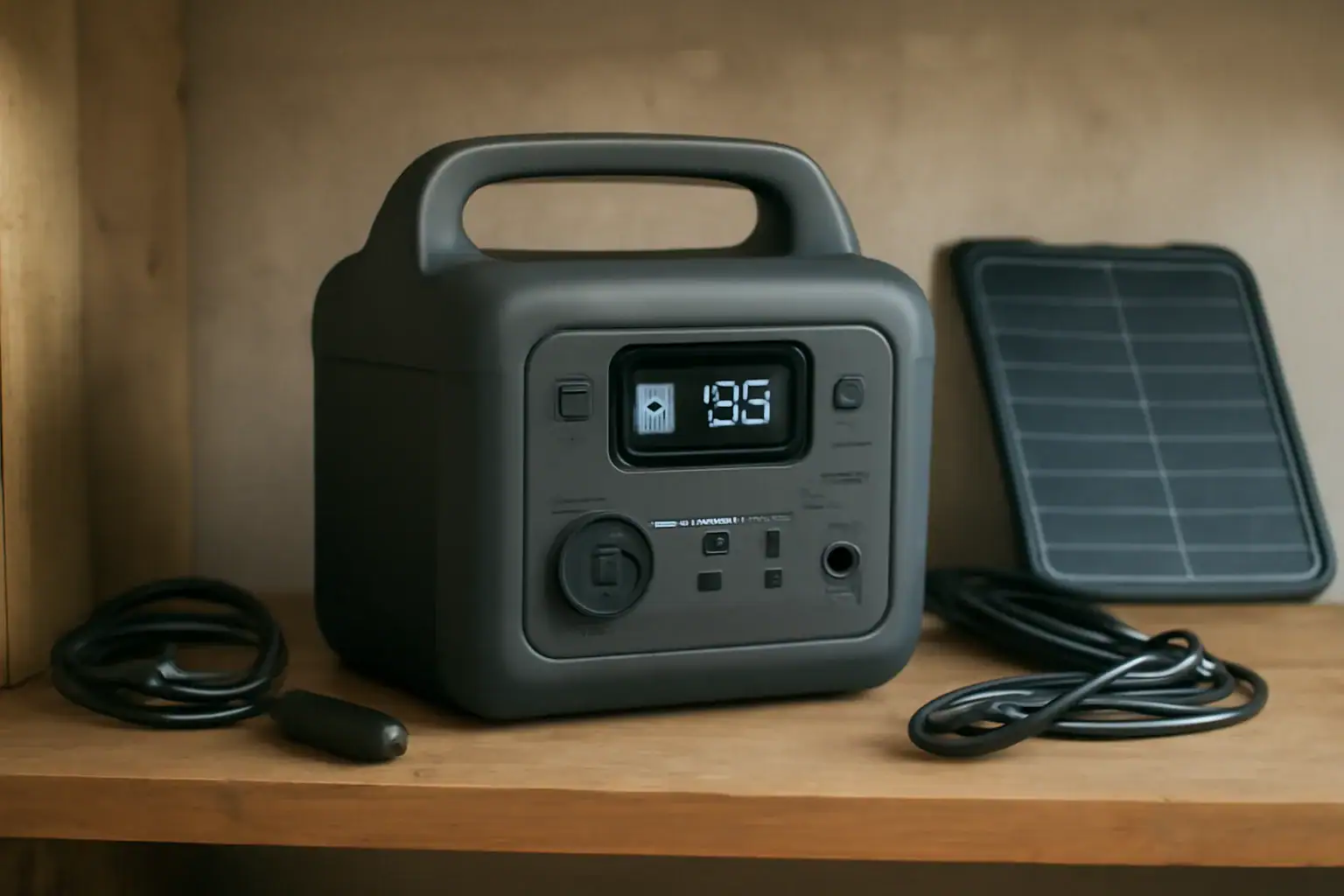
A portable power station is a battery-powered device designed to store electricity and deliver it on demand through multiple output ports. Unlike fuel generators, it runs entirely on stored electrical energy and produces no emissions during operation.
Most portable power stations combine:
- a high-capacity lithium battery
- an inverter that converts stored energy into usable AC power
- multiple output options such as AC outlets, USB ports, and DC ports
They are designed to be portable, rechargeable, and safe for indoor use.
How Does a Portable Power Station Work?
A portable power station works in three basic steps:
1. Charging the Battery
The internal battery can be charged using:
- a standard wall outlet
- a car’s 12V socket
- solar panels (on compatible models)
2. Storing Energy
Once charged, the battery stores electrical energy until it is needed. Modern models use lithium-ion or lithium iron phosphate (LiFePO₄) batteries for higher efficiency and longer lifespan.
3. Delivering Power
When a device is connected, the inverter converts the stored DC energy into AC power, allowing you to run appliances, electronics, and tools.
Common Uses of Portable Power Stations
Camping and Outdoor Activities
Portable power stations are widely used for:
- charging phones, cameras, and drones
- powering portable fridges and lights
- running small cooking appliances
They are especially popular in areas where fuel generators are restricted or impractical.
Emergency Home Backup
During power outages, portable power stations can keep essential devices running, such as:
- Wi-Fi routers
- medical equipment
- lights and communication devices
Some higher-capacity models can even power refrigerators or sump pumps for limited periods.
Worksites and Mobile Offices
For remote work, photography, or construction tasks, these devices provide clean power without noise, making them suitable for indoor or urban environments.
Portable Power Station vs Generator
While both provide electricity, they differ significantly.
Portable power stations:
- run silently
- produce no emissions
- require no fuel
- are safe indoors
Traditional generators:
- run on gasoline, propane, or diesel
- produce noise and exhaust
- require ventilation and fuel storage
For many users, portability and convenience make power stations the preferred option.
Advantages of Portable Power Stations
- Silent operation
- No fuel or fumes
- Indoor-safe
- Low maintenance
- Renewable charging via solar panels
These advantages make them ideal for modern lifestyles focused on sustainability and flexibility.
Limitations to Consider
Despite their benefits, portable power stations also have limitations:
- limited runtime compared to fuel generators
- higher upfront cost for large-capacity models
- charging time can be long without solar or fast charging support
Understanding these trade-offs helps users choose the right solution for their needs.
Are Portable Power Stations Safe?
Yes, when used correctly, portable power stations are generally very safe. Most models include:
- battery management systems
- overload protection
- temperature monitoring
However, users should always follow manufacturer guidelines, especially regarding charging and power limits.
Final Thoughts
Portable power stations offer a modern, eco-friendly way to access electricity wherever it’s needed. From outdoor adventures to emergency preparedness, they provide flexibility and peace of mind without the drawbacks of traditional generators.
As technology continues to improve, these devices are becoming more powerful, efficient, and accessible than ever before.
About this site
Portable Energy Lab publishes practical, independent guides about portable power—clear sizing, safe use, and real-world expectations.
Affiliate disclosure
Some links on this site may be affiliate links. If you buy through these links, we may earn a small commission at no extra cost to you. This helps support our content. Learn more.