
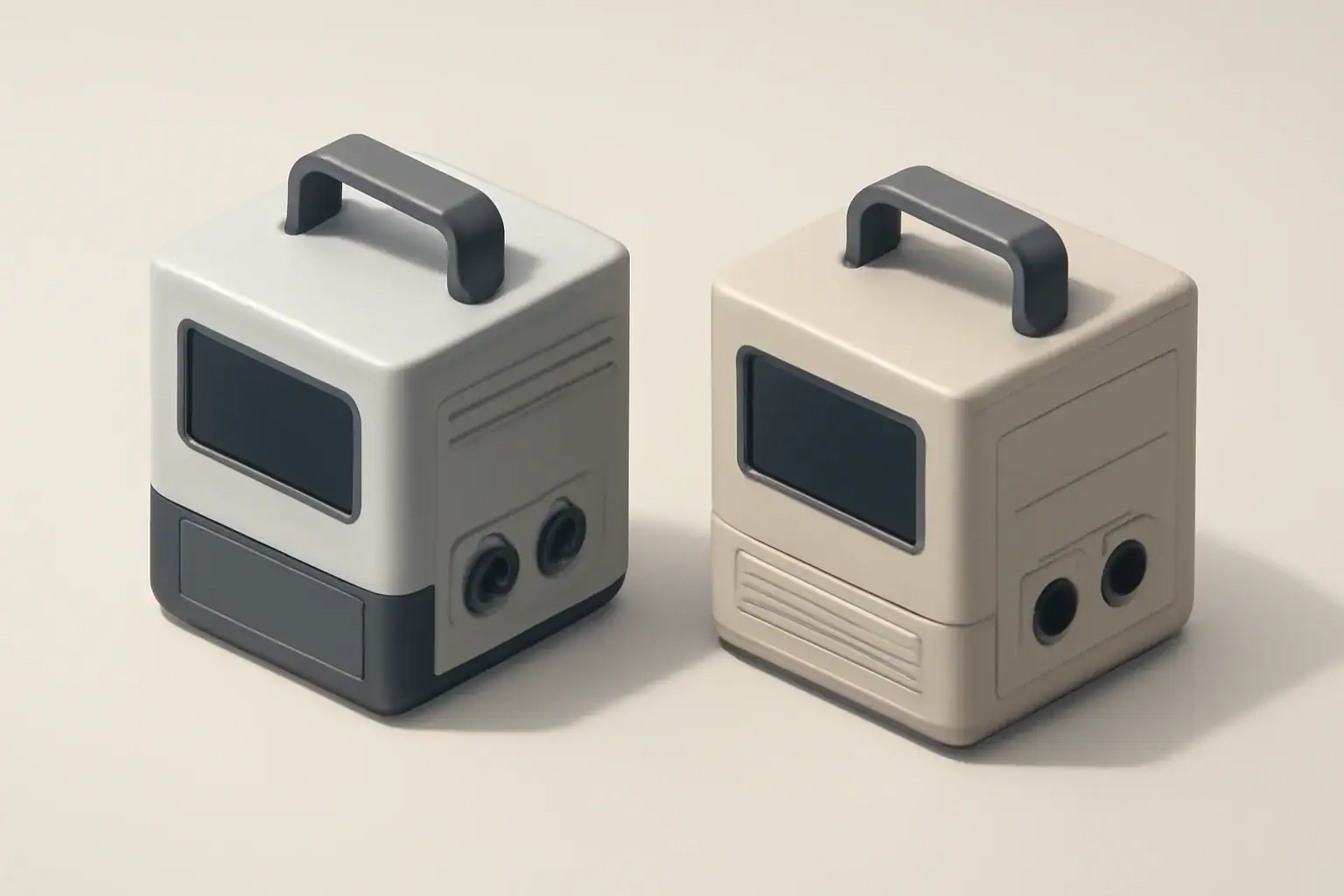
For most portable power station users, a pure sine wave inverter is the safer and more compatible choice, while a modified sine wave unit is acceptable only for simple, non-sensitive loads. The difference between pure sine wave and modified sine wave affects what you can plug in, how efficiently the battery is used, and how much noise or heat your devices produce.
If you mainly power laptops, medical devices, refrigerators with electronic controls, or audio gear, prioritize a pure sine wave output that closely mimics utility power. If you only need to run basic lights or simple resistive heaters, a modified sine wave inverter can work but comes with more limitations. Understanding how these waveforms behave in real-world use helps you match your portable power station to your appliances and avoid costly mistakes.
What pure and modified sine waves mean, and why they matter
A portable power station stores energy as DC (direct current) in its battery, then uses an inverter to create AC (alternating current) at 120 V, 60 Hz. The shape of that AC waveform is what people mean by pure sine wave vs modified sine wave.
Pure sine wave inverters output a smooth, rounded waveform similar to grid power. Voltage rises and falls gradually, and the signal contains very little electrical noise. This is what most household electronics are designed for.
Modified sine wave (sometimes called quasi-sine or stepped square wave) inverters approximate a sine wave using flat steps. The voltage jumps abruptly between levels instead of following a smooth curve. This is cheaper to build but creates extra harmonics and electrical noise.
Why it matters:
- Compatibility: Some devices simply will not start or will show error codes on a modified sine wave.
- Efficiency and runtime: Sensitive electronics and motors often draw more power and run hotter on a modified sine wave, reducing battery runtime.
- Noise and comfort: Buzzing, humming, and interference are more common with modified sine wave inverters.
- Longevity and risk: Long-term use of the wrong waveform can shorten the life of motors, power supplies, and control boards.
Key technical concepts: how waveform type affects devices
You do not need to be an engineer to choose between pure and modified sine wave, but a few basic concepts help explain the trade-offs.
Waveform shape and harmonics
A pure sine wave has a single, smooth frequency at 60 Hz with very low total harmonic distortion (THD). A modified sine wave is made of flat segments and sharp corners, which introduce extra frequencies called harmonics. Devices with transformers, motors, or power factor correction circuits often react poorly to those harmonics.
In practice, this can mean:
- Transformers and motors running hotter than normal.
- Audio equipment picking up a background hum.
- Digital power supplies working harder to filter the noisy input.
Voltage, frequency, and control electronics
Most portable power stations try to hold 120 V at 60 Hz, but waveform type changes how that energy is delivered over each cycle. Pure sine inverters usually control both voltage and frequency tightly, so devices with timing circuits, digital displays, and control boards behave as designed.
On a modified sine wave, the average voltage and frequency may be close to 120 V / 60 Hz, yet the sudden transitions can confuse or stress:
- Microwave ovens with digital controls or inverter-based cooking.
- Refrigerators and freezers with electronic control boards.
- Battery chargers with power factor correction (PFC).
Surge and motor starting behavior
Many appliances need a short surge of power to start, especially those with compressors or induction motors. Both pure and modified sine wave inverters can be designed with surge capability, but motor loads usually start more easily and run cooler on pure sine wave.
A common pattern is:
- On pure sine wave: motor starts smoothly, brief higher wattage, then settles.
- On modified sine wave: motor may buzz, struggle to start, or cause the inverter to trip on overload.
| Use case | Better choice | Why it matters |
|---|---|---|
| Laptops, tablets, camera chargers | Usually pure sine wave, especially for daily use | Lower heat in chargers, fewer glitches, closer to grid power. |
| CPAP and home medical devices | Pure sine wave strongly preferred | Some units alarm or shut down on modified sine wave. |
| Refrigerators with electronic control boards | Pure sine wave | Improves compressor starts and protects control electronics. |
| Simple resistive heaters, incandescent bulbs | Modified sine wave usually acceptable | Heat output depends mainly on RMS voltage, not waveform shape. |
| Basic power tools with universal motors | Either, but pure sine is smoother | Modified sine can cause more noise and heat in heavy use. |
Real-world examples: what typically works and what does not
Looking at specific devices makes the pure sine wave vs modified sine wave choice easier. The lists below assume a typical 120 V portable power station used for camping, RVs, tailgating, or home backup.
Devices that usually need pure sine wave
- Medical devices: Many CPAP machines, oxygen concentrators, and home health devices specify pure sine wave or a compatible UPS. On modified sine wave they may alarm, overheat, or shut down.
- Appliances with electronic controls: Modern refrigerators, freezers, washing machines, and some window AC units use circuit boards and sensors that expect clean power.
- High-quality audio and AV gear: Studio monitors, amplifiers, mixers, and some TVs can pick up hum or interference on noisy waveforms.
- Laser printers and some office equipment: These often have power supplies and fusers that are sensitive to waveform shape and surge behavior.
- Tools and pumps with variable-speed drives: Inverter-driven compressors, variable-speed well pumps, or smart power tools tend to be designed around a sine wave input.
Devices that often tolerate modified sine wave
- Simple resistive loads: Incandescent bulbs, basic electric kettles, and non-digital space heaters mainly convert electricity directly to heat or light.
- Basic power tools: Many corded drills and saws with universal (brushed) motors work on modified sine wave, though they may run a bit hotter and noisier.
- Phone and small device charging via DC: When you charge through the power station’s DC or USB ports, the inverter waveform is bypassed entirely.
- Non-critical camping appliances: Simple fans, basic coffee makers without electronic displays, and simple hot plates can often run acceptably.
Example weekend setups
Camping with electronics: A family running laptops, tablets, a portable projector, and a small fridge is better served by a pure sine wave power station. The extra upfront cost is offset by fewer glitches, quieter operation, and better runtime.
Jobsite tools: A user powering a circular saw and work lights for short periods may accept a modified sine wave unit if budget is tight, but should watch for overheating and avoid plugging in sensitive chargers or measuring tools.
Emergency backup for medical gear: A household relying on a CPAP machine during outages should prioritize a pure sine wave inverter and fully test the setup in advance, including overnight runtime.
Common mistakes and troubleshooting waveform problems
Waveform issues often show up as “weird behavior” rather than obvious failure. Recognizing the patterns helps you troubleshoot quickly.
Frequent user mistakes
- Assuming all AC outputs are equal: Some users see a 120 V outlet and assume it behaves like a wall receptacle, without checking whether the inverter is pure or modified sine wave.
- Ignoring device labels: Many appliances and medical devices state “pure sine wave only” or give inverter guidance in the manual, which goes unread.
- Loading the inverter to its limit with hard-to-start motors: A refrigerator that draws 100 W while running might need 600–800 W for a split second to start, especially on a modified sine wave.
- Testing only briefly: A device may appear fine for a minute, then overheat or shut down after 30–60 minutes on modified sine wave power.
Typical symptoms of waveform incompatibility
- Buzzing or humming from chargers, transformers, or motors.
- Flickering or pulsing lights, especially LED or CFL bulbs.
- Error codes, beeping, or unexpected shutdown from medical or kitchen devices.
- Unusual heat in power bricks, plugs, or the device housing.
- Inverter overload alarms or repeated tripping when motors start.
Step-by-step troubleshooting approach
- Confirm waveform type: Check the portable power station’s specifications for “pure sine wave” or “modified sine wave.”
- Check the device manual: Look for notes about inverter or generator compatibility, or any mention of sine wave requirements.
- Test with a low-risk device first: Plug in a simple lamp or resistive load to confirm the inverter is working as expected.
- Observe closely on first use: When you connect a more complex device, listen for new noises and feel for excess heat after 10–20 minutes.
- Reduce load and retest: If the inverter trips or the device misbehaves, unplug other loads and try again. Motor starts are more demanding on a loaded inverter.
- Switch waveform if needed: If symptoms persist on a modified sine wave unit, plan to use a pure sine wave inverter for that device.
| Observed symptom | Likely cause | Suggested action |
|---|---|---|
| CPAP beeps or shows error when powered on | Device expects pure sine wave or tighter voltage control | Verify manual; use pure sine wave inverter for overnight use. |
| Fridge clicks repeatedly but compressor will not start | Insufficient surge power or modified sine wave stressing motor | Reduce other loads, increase inverter size, or switch to pure sine wave. |
| Laptop charger becomes very hot to the touch | Extra losses from waveform harmonics | Limit use on modified sine wave; prefer DC or pure sine wave AC. |
| LED lights flicker or buzz | Driver circuitry reacting to stepped waveform | Try a different bulb type or use pure sine wave output. |
| Inverter shuts off when saw starts | Starting surge exceeds inverter rating on that waveform | Use a higher surge-rated inverter or stagger tool starts. |
Safety basics when choosing and using inverter waveforms
Waveform choice is partly about performance, but it also has safety implications, especially when powering critical equipment.
Medical and life-supporting equipment
Any device used for health or life support should be treated conservatively:
- Follow the device manufacturer’s instructions on backup power and inverter type.
- Prefer pure sine wave output and test the full setup well before you depend on it.
- Monitor for alarms, error codes, or unexpected shutdowns, especially during the first few nights of use.
Heat, wiring, and overloading risks
Modified sine wave inverters can cause some devices to run warmer than they would on grid power. This does not always mean immediate failure, but it increases risk if combined with:
- Undersized extension cords or adapters.
- Poor ventilation around the power station or the device.
- Running close to or above the inverter’s continuous rating.
Basic precautions include keeping the power station well ventilated, avoiding daisy-chained power strips, and periodically checking plugs and cords for excess heat.
Electrical noise and interference
The harmonics from a modified sine wave can create radio-frequency noise. This can interfere with radios, some wireless equipment, or audio systems. While this is mostly a comfort and performance issue, in some setups it can affect communication equipment that users rely on during emergencies.
Long-term use, maintenance, and storage considerations
Over time, repeated exposure to an unsuitable waveform can shorten the life of both your devices and your portable power station.
Impact on connected devices over time
- Motors and compressors: Running for hours per day on modified sine wave can lead to higher winding temperatures and earlier bearing wear.
- Power supplies and chargers: Constant operation near their thermal limits may reduce lifespan or lead to premature failure.
- Audio and AV gear: Persistent hum or interference may indicate the internal power supply is working harder than intended.
If you plan to power the same appliances every day, a pure sine wave inverter is usually the more economical choice over the long term, even if it costs more up front.
Maintaining your portable power station
- Keep the unit in a dry, dust-free environment when not in use.
- Store within the recommended temperature range to protect both the battery and inverter electronics.
- Exercise the inverter periodically by running a light load, so you notice any changes in noise, smell, or behavior early.
- Inspect AC outlets and cables for discoloration or looseness, which can be aggravated by heat from inefficient loads.
Storage and seasonal use patterns
For users who only bring out a power station for camping season or storm outages:
- Top off the battery to the manufacturer’s recommended storage level.
- Label which devices you have successfully tested on that unit (for example, “OK: fridge, router, lights; avoid: CPAP, microwave”).
- Re-test key devices at the start of each season, especially if you rely on them for health or work.
Practical takeaways and specs to look for
Choosing between pure sine wave and modified sine wave comes down to what you plan to power, how often, and how critical that power is.
- If you power mixed household loads (electronics, appliances with control boards, chargers, and the occasional motor), treat pure sine wave as the default choice.
- If you only run simple heaters and lights and want the lowest cost for occasional use, a modified sine wave unit can be acceptable with careful testing.
- For medical devices or work-critical electronics, plan as if pure sine wave is mandatory and test your full setup under realistic conditions.
Checklist: key specs to evaluate before you buy
When comparing portable power stations and inverters, look beyond just wattage and battery capacity. Waveform-related specs matter just as much.
- Waveform type: Confirm “pure sine wave” if you plan to power anything beyond simple resistive loads.
- Continuous AC output (W): Must exceed the total running watts of all devices you plan to power at once.
- Surge or peak output (W): Should comfortably cover motor and compressor starting surges, especially for refrigerators, AC units, or pumps.
- Total harmonic distortion (THD): Lower is better; pure sine wave units often list THD figures to show waveform quality.
- AC output voltage and frequency stability: Look for 120 V ± a small range at 60 Hz, with protections against over- and under-voltage.
- Number and type of AC outlets: Enough grounded outlets for your key appliances, avoiding unsafe splitter setups.
- DC and USB outputs: Using DC where possible (for phones, tablets, some laptops) avoids inverter losses and waveform concerns.
- Thermal and overload protection: Automatic shutdown or derating if the inverter overheats or is overloaded.
- Efficiency and idle consumption: Higher efficiency and lower no-load draw mean more usable runtime from the same battery.
By matching waveform type, surge capability, and overall inverter quality to your actual devices, you can get reliable power from your portable power station without unnecessary cost or risk.
Input quality can matter as much as output waveform; see why a power station may reject generator input when frequency, voltage, or grounding falls outside its accepted range.
Frequently asked questions
Which inverter specs and features should I prioritize when choosing between pure sine wave and modified sine wave?
Prioritize waveform type first (pure sine for sensitive or motor-driven loads), then check continuous and surge (peak) wattage to cover running and starting requirements. Also look at total harmonic distortion (THD), voltage/frequency stability, number and type of outlets, and thermal/overload protections.
How can I check if a specific appliance will work on a modified sine wave inverter?
Start by reading the appliance manual for inverter compatibility notes; then test it with the inverter using a low-risk resistive load first while observing for buzzing, error codes, or heat. Make sure the inverter can supply any required starting surge and run the device for a realistic period to confirm thermal behavior.
What is a common mistake people make regarding inverter outputs?
A frequent mistake is assuming any 120 V outlet behaves like grid power and not checking whether the inverter is pure or modified sine wave. Users also often test devices only briefly and miss problems that appear after 10–60 minutes of operation.
Are there safety risks to using a modified sine wave inverter for critical equipment?
Yes. Modified sine wave power can cause overheating, false alarms, or shutdowns in medical and other critical devices, and increase wear on motors and power supplies. For life-supporting or mission-critical equipment, use pure sine wave output and fully test the setup in advance.
Can using DC or USB outputs avoid waveform compatibility problems?
Yes. Charging devices via DC or USB bypasses the inverter and eliminates waveform-related issues for those loads, often with higher efficiency. However, DC/USB outputs may have lower power limits than AC outlets, so verify the ratings first.
How should I test a device before relying on a power station during an outage or trip?
Test the full setup under realistic conditions: connect all expected loads, simulate start cycles for motors, and run appliances for the duration you plan to use them (overnight for medical gear). Monitor for noise, heat, error codes, and inverter trips, and label devices that passed or failed the test.
Related guides
Browse this topic →
- Beginner-friendly sizing, runtime & specs
- Solar & charging (MPPT, fast charging, cables)
- Batteries (LiFePO4, cycles, care & storage)
- Safety, cold-weather performance, real-world tips
More in Comparison
See all →Keep reading

About this site
Portable Energy Lab publishes practical, independent guides about portable power—clear sizing, safe use, and real-world expectations.
Affiliate disclosure
Some links on this site may be affiliate links. If you buy through these links, we may earn a small commission at no extra cost to you. This helps support our content. Read our affiliate disclosure.